

How Toxic Cabin Air Damages the Nervous System—and What It Takes to Recover
The Cockpit, The Cabin, and The Nervous System
Uncovering the Physiological Truth Behind Aerotoxic Syndrome
The Science, Symptoms, and Solutions Behind Aerotoxic Syndrome:
A New Understanding of Aerotoxicity, Human Performance, and Recovery
Our Trusted Research Partners











Key Stats
The Hidden Health Risk at 35,000 Feet
For some flight crews and frequent flyers, contaminated cabin air may have consequences that extend far beyond the flight.
Commercial aircraft rely on complex environmental control systems to provide breathable cabin air. During fume events, contaminants from engine oils, hydraulic fluids, and other chemicals can enter the cabin environment. While exposure incidents are often considered uncommon, affected pilots, flight attendants, ground personnel, and passengers have reported a wide range of symptoms including brain fog, fatigue, dizziness, headaches, cardiovascular irregularities, and cognitive impairment. Understanding the physiological impact of these exposures is becoming increasingly important for aviation medicine and occupational health professionals.

3–6 Months
Reported Improvement Following Targeted Care

107+
Fume Events Per Million Flights

90–95%
AI-Assisted Diagnostic Accuracy

20+ Years
Career Impact on Aviation Professionals
Unanswered Questions
When Pilots and Crew Members Can't Get Answers
Many aviation professionals spend years searching for a diagnosis while symptoms continue to affect performance and quality of life.
Aviation personnel exposed to toxic fumes often report symptoms involving multiple body systems, resulting in referrals across numerous medical specialties. Because these symptoms can mimic neurological, cardiovascular, gastrointestinal, or behavioral health conditions, the underlying physiological cause may remain unidentified. This diagnostic challenge can leave highly trained professionals unable to work, fly, or maintain medical certification despite extensive medical evaluations.

Simplified Aviation Medicine Needs More Than Symptom Management
Objective physiological testing can help identify dysfunction that may not be visible through conventional evaluations.
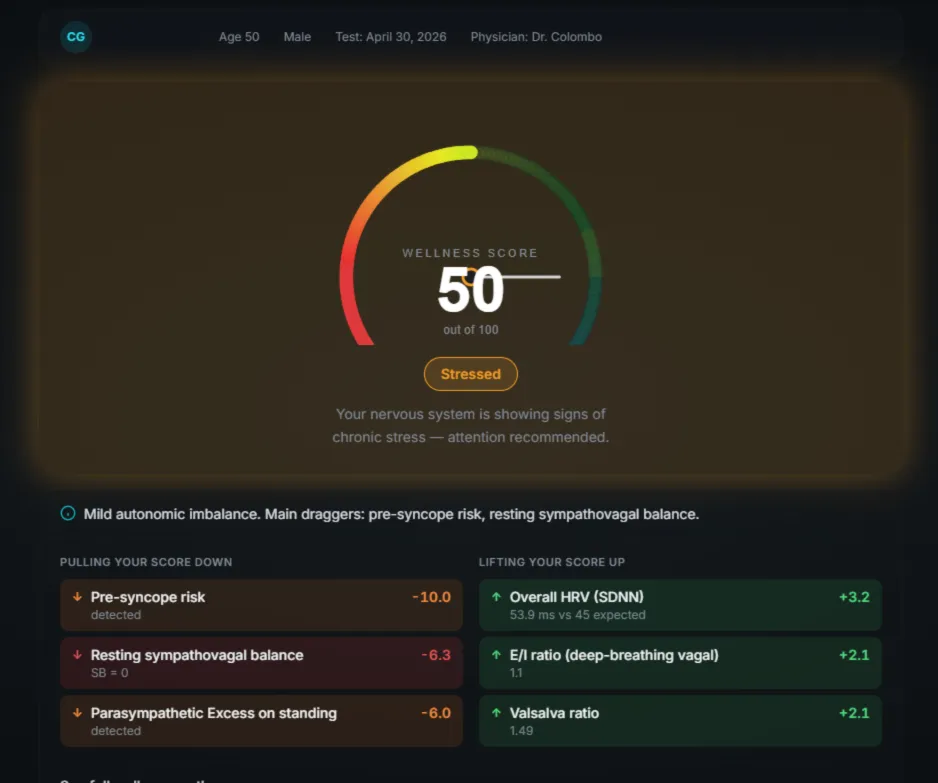
Traditional evaluations often focus on managing individual symptoms, but aviation professionals require a deeper understanding of the physiological mechanisms affecting health and performance. Physio PS technology utilizes FDA-cleared algorithms to analyze ECG, respiratory, and blood pressure data, providing objective measurements of autonomic nervous system function. This information may help physicians develop more targeted clinical strategies based on measurable physiological findings.
More Than Symptom Management
The Missing Piece May Be the Autonomic Nervous System
The system responsible for regulating critical bodily functions may hold important clues to recovery.
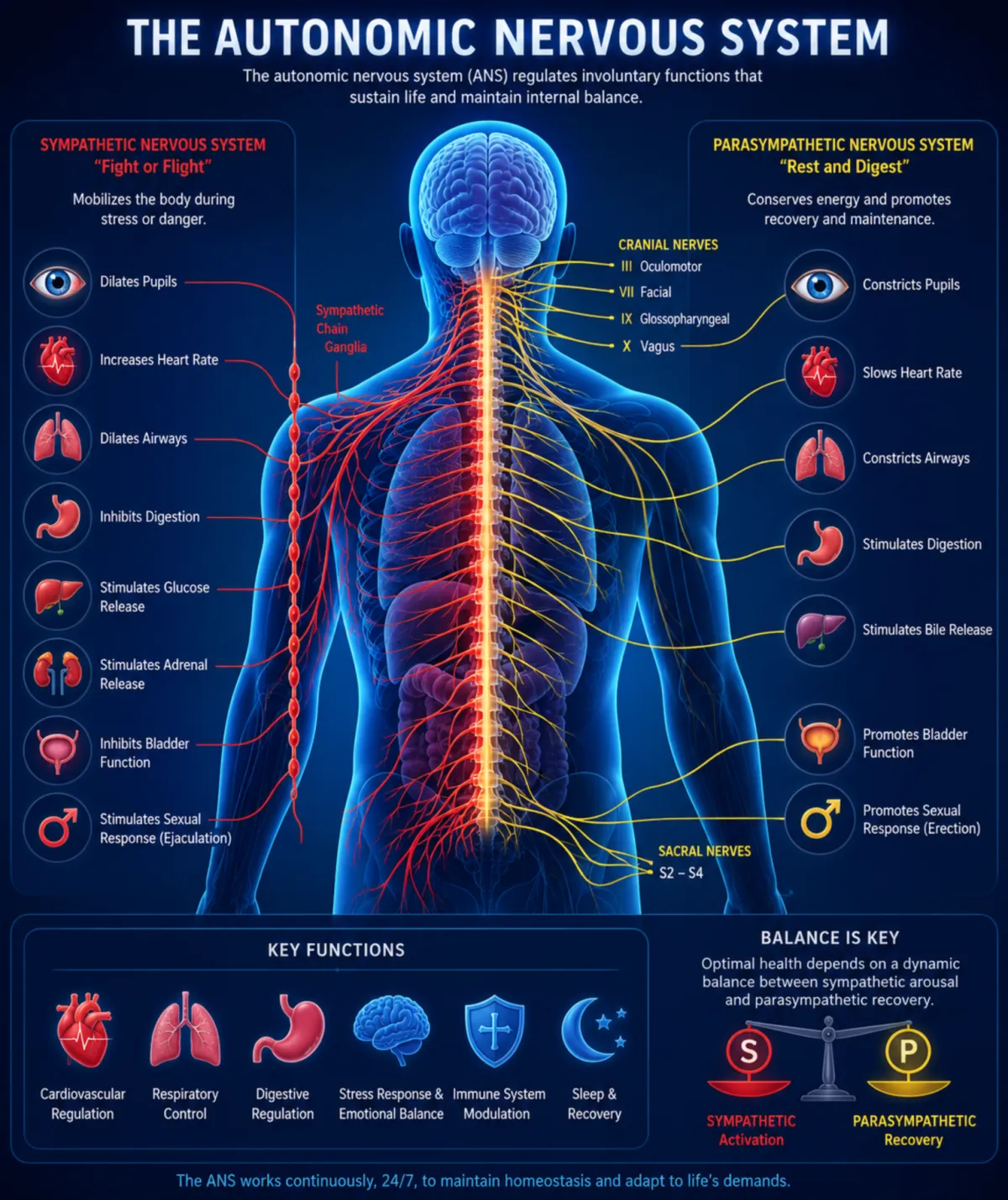
The autonomic nervous system controls heart rate, blood pressure, respiration, digestion, cognitive alertness, and stress response—all functions essential to aviation safety and human performance. When autonomic regulation becomes disrupted following a toxic exposure event, symptoms can appear unrelated despite sharing a common physiological origin. Objective autonomic assessment provides clinicians with measurable data to better understand these complex presentations.
Returning Flight Crews to the Cockpit and Cabin
Early identification and targeted intervention may improve outcomes following toxic exposure events.
For pilots, flight attendants, and other aviation professionals, health challenges can quickly become career challenges. Clinical experience reported by Physio PS and affiliated providers suggests that identifying autonomic dysfunction early allows clinicians to implement targeted care plans focused on restoring nervous system balance and functional capacity. The goal is not simply symptom suppression, but helping individuals return to the activities and careers they value.
More Than Symptom Management
A Safer Future Starts with Better Data
Advancing aviation health requires objective measurement, standardized protocols, and greater awareness.
As awareness of aerotoxicity grows, collaboration between healthcare providers, airline organizations, unions, researchers, and regulatory stakeholders will be essential. Expanding access to objective autonomic testing and standardized assessment protocols can help improve recognition of exposure-related health issues, support affected aviation personnel, and contribute to a safer and healthier aerospace industry for everyone who flies.
Real Data. Real Results. Real Observability.

“After two decades as a flight attendant, I began experiencing health issues like fatigue, brain fog, stomach pain, and dizziness. Even though I visited several doctors and specialists, my condition only worsened, which ultimately forced me onto disability and led to the loss of my job. By doing my own investigation and connecting with colleagues who were also affected, I discovered Physio PS testing and Luminary Clinic in New Hampshire. After taking a simple test and starting their treatment plan, I noticed improvement and remain hopeful about making a full recovery.”

Michelle
Flight Attendant
The material and information provided by Physio PS is for general information purposes only. You should not rely upon this material or information for basis of making healthcare, treatment, or diagnosis decisions. While Physio PS strives to provide the most correct and up-to-date information and data, Physio PS makes no representations or warranties of any kind, expressed or implied, about the completeness, accuracy, reliability, suitability, or availability with respect to the information, products, services, or related graphics contained. Any reliance placed on such material is therefore strictly at your own risk. Reporting Information is supplied under license by NCRC LLC. * ‘RFa’ is known to be a measure of Parasympathetic activity and ‘LFa’ is known to be a measure of Sympathetic activity, based on reference: Colombo J, Arora RR, DePace NL, Vinik AI, Clinical Autonomic Dysfunction: Measurement, Indications, Therapies, and Outcomes. Springer Science + Business Media, New York, NY; 2014.
Copyright 2026. Physio PS, Inc.. All Rights Reserved.